
There’s something extraordinary about starting your day with a cup of coffee. The aroma, the flavor, the ritual - it feels personal. But what if that daily cup did more than fuel your morning? What if it also helped protect endangered wildlife and preserve natural habitats around the world?
That’s the story behind coffee and conservation, and it’s a story we at Twiga Coffee are proud to be part of.
Why Coffee and Conservation Go Hand in Hand
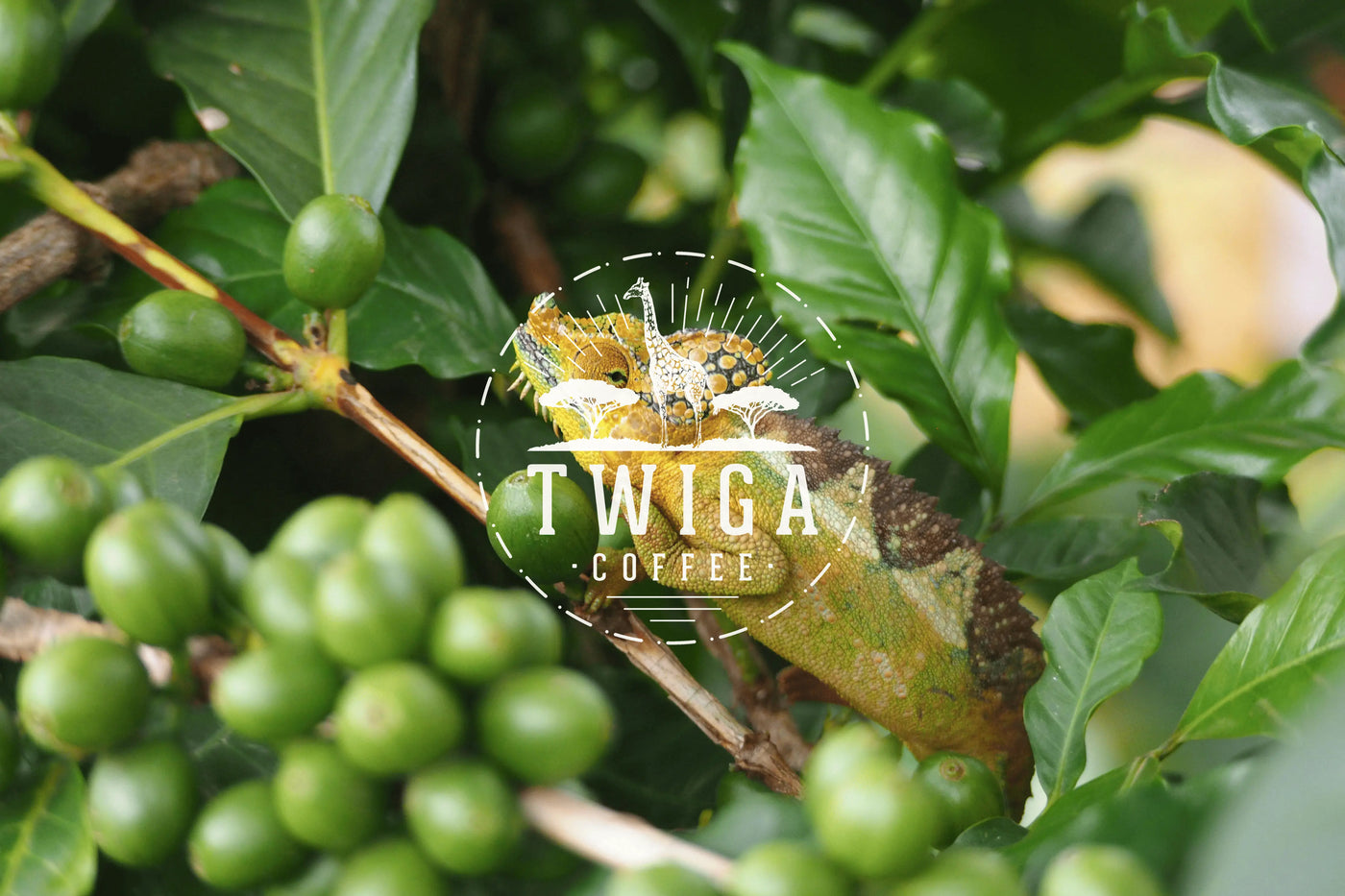
Coffee isn’t just grown anywhere, it thrives in some of the most biodiverse regions on the planet, from the highlands of East Africa to the rainforests of Central and South America. Unfortunately, these same areas are under constant pressure from deforestation, unsustainable farming, and climate change.
By choosing ethically sourced coffee, you’re not only enjoying better beans, you are helping ensure that the landscapes where coffee is grown remain healthy, vibrant, and rich with wildlife.
Twiga Coffee’s Commitment to Wildlife Protection
At Twiga Coffee, we’ve built our mission around more than just great taste. 10% of proceeds goes directly toward wildlife conservation efforts. That means every bag of coffee you enjoy plays a role in protecting elephants, giraffes, rhinos, and countless other species that call Africa home.
This isn’t just a marketing promise, it’s part of who we are. Our name, Twiga, means giraffe in Swahili, and it reflects our dedication to safeguarding wildlife while bringing you coffee of unmatched quality.
The Power of Sustainable Farming
Supporting conservation starts at the source. That’s why we partner with farmers who use organic and sustainable practices that protect both the land and the people who work it. By paying farmers fairly and investing in eco-friendly cultivation, we create a ripple effect:
-
Healthier soil and cleaner water
-
Reduced deforestation
-
More resilient habitats for wildlife
-
Stronger local farming communities
How Your Cup Makes a Difference
Every time you brew a cup of Twiga Coffee, you’re making a choice that goes far beyond taste:
-
You’re reducing the demand for coffee grown in destructive ways.
-
You’re helping preserve ecosystems critical to endangered species.
-
You’re directly supporting conservation projects that make a measurable impact.
It’s proof that small, everyday decisions like which coffee you buy can add up to lasting change.
Be Part of the Movement
Coffee is more than a beverage. It’s a bridge between cultures, communities, and conservation. With Twiga Coffee, you don’t have to choose between enjoying a rich, flavorful cup and making a difference - you get both.
Explore our collection of single-origin, USDA Organic certified coffees, with Fairtrade certified selections across the range, here, and discover how your daily ritual can help protect wildlife for generations to come.
Drink better coffee. Protect wildlife. Make every cup count.