

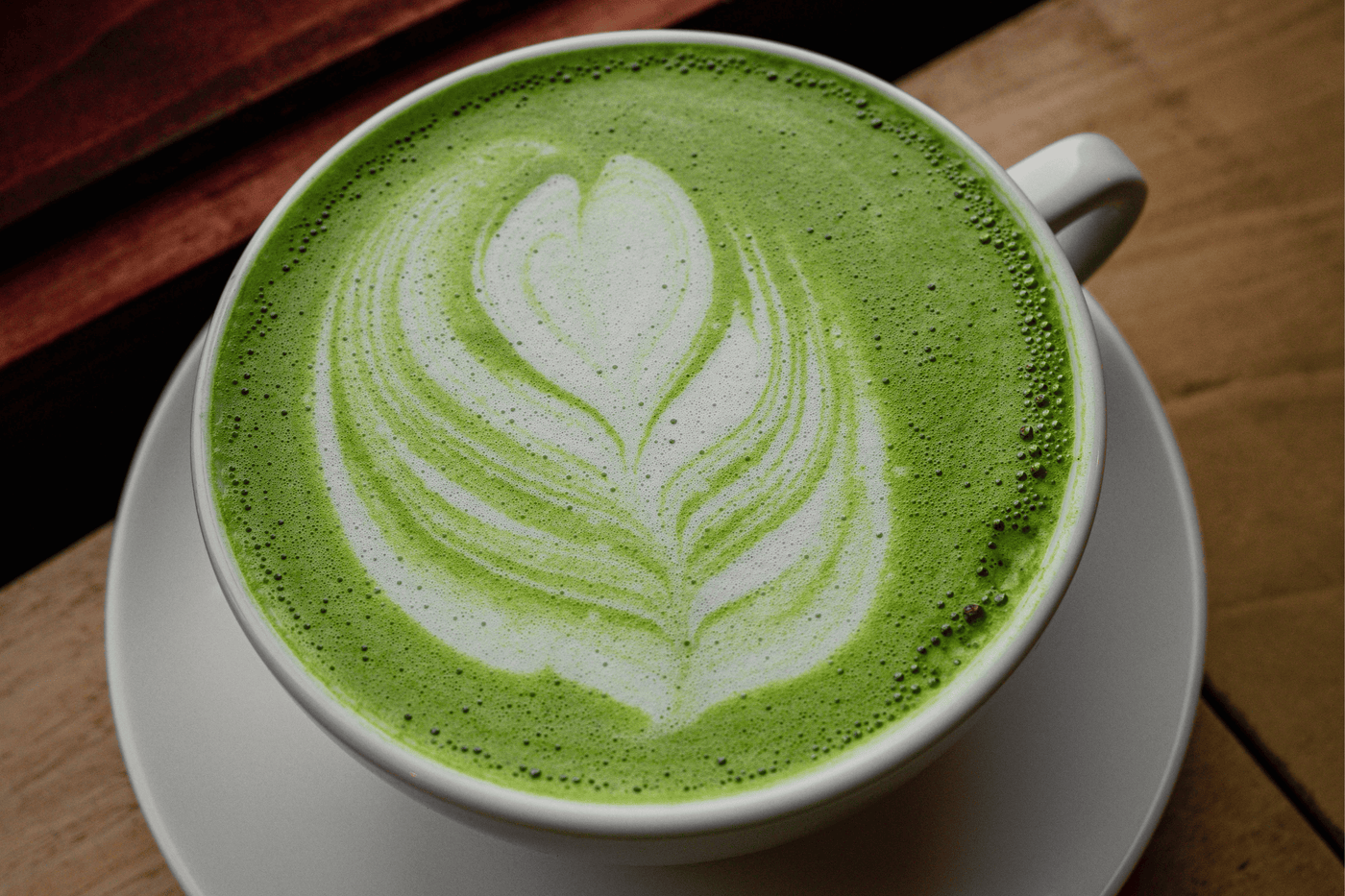
Samidori is a Japanese tea cultivar closely associated with Uji, Kyoto, and the production of shaded teas such as tencha, matcha, and gyokuro. Selected from a tea plant in the Uji region beginning in 1939, Samidori was developed with the qualities valued in these traditional styles of tea.
For matcha drinkers, knowing the cultivar adds another layer to understanding what is in the bowl. Just as grape varieties can help describe wine, the tea cultivar tells us something about the plant itself, separate from where it was grown or how its leaves were processed.
Samidori is particularly known for its vivid color, aroma, and pronounced umami, qualities that have made it an important cultivar within Uji's tea tradition.
Where Does Samidori Come From?
Samidori's story begins in Uji, in Japan's Kyoto Prefecture.
Tea breeder Koyama Masajirō began selecting Samidori in 1939 from a tea plant found in the Uji region. Its use was encouraged in 1954, and it remains an unregistered cultivar.
That local history matters. Samidori was not developed as a general-purpose cultivar and later adapted to Uji. It emerged from Uji itself and became associated particularly with the shaded teas for which the region is known.
Samidori is considered one of the Uji varieties, a group selected from tea populations native to Uji and the surrounding Kyoto area. Among these Uji varieties, Samidori has the most extensive cultivation area.
This makes Samidori distinctive without requiring the exaggerated language sometimes used around individual matcha cultivars. It does not need to be described as exceptionally rare to be interesting. Its significance comes from its regional roots, its relationship with shaded tea production, and the qualities it brings to the finished tea.
Why Does Cultivar Matter in Matcha?
The word cultivar can sound more technical than it really is.
A cultivar is a cultivated variety of the tea plant, Camellia sinensis. Different cultivars are selected for particular characteristics, and the cultivar used is one of several factors that can shape the tea eventually produced from those leaves.
For matcha, it helps to separate three ideas that are sometimes treated as though they mean the same thing: cultivar, origin, and grade.
Cultivar identifies the particular cultivated variety of tea plant, such as Samidori.
Origin tells you where the tea was grown. In Samidori's case, its history is particularly tied to Uji and Kyoto.
Grade is a way a producer or seller positions a matcha. Terms such as "ceremonial grade" should not be confused with the cultivar itself.
So a label that says "Samidori" is telling you something more specific than simply "matcha." It identifies the plant variety from which the tea was made.
For someone becoming more curious about matcha, cultivar is a useful piece of information because it helps move the conversation beyond broad categories and toward the tea itself.
What Does Samidori Matcha Taste and Look Like?
Samidori is associated with good aroma and strong umami, along with the vivid color characteristic of Uji varieties.
The leaves themselves have been described as bright green with noticeable luster. Once those leaves become tencha and are milled into matcha, color becomes one of the most immediately visible characteristics in the bowl.
Umami is another term worth understanding. Rather than referring to sweetness or bitterness, umami describes a savory quality. It is one of the characteristics commonly associated with shaded Japanese teas and is particularly noted in descriptions of Samidori.
Aroma matters too. Sources describing the cultivar emphasize both its aroma and its vivid appearance alongside its umami character.
These are useful characteristics for understanding Samidori on its own terms. Comparisons such as "smoother than Yabukita" or "less bitter than other cultivars" may appear in descriptions elsewhere, but without reliable comparative evidence, they tell us less than the characteristics that can actually be supported.
Samidori and Tencha
To understand why Samidori is so closely connected with matcha, it helps to understand tencha.
Tencha is the shaded tea leaf used to produce matcha. After processing and removal of stems and other leaf material, the tencha is stone ground into the fine powder we recognize as matcha.
Samidori is particularly suited to shaded tea production, including both tencha and gyokuro. Its young leaves grow upright, and the cultivar has a relatively long picking period that makes it well suited to hand harvesting.
This connection between cultivar and processing is important. Matcha does not begin as a powder. It begins with the tea plant, followed by cultivation and processing choices that eventually result in tencha and, from there, stone-ground matcha.
Understanding the cultivar therefore gives you a way to look one step further back in the process. When a matcha is identified as Samidori, the name refers not to a flavor added during production or to a grade assigned at the end, but to the variety of tea plant at the beginning.
Samidori vs. Yabukita
One useful way to understand Samidori is to compare its role with Yabukita, Japan's dominant tea cultivar.
Yabukita accounts for roughly 70 to 77 percent of Japan's tea cultivation area. Its presence extends broadly across Japanese tea production, making it a useful reference point for understanding how regionally focused Samidori is by comparison.
Samidori followed a different path. It was selected in Uji and is closely associated with the area's tradition of shaded teas, particularly tencha and gyokuro.
The important distinction is structural rather than a question of which cultivar is "better." Yabukita is a nationally dominant, general-purpose cultivar. Samidori is a Uji cultivar associated specifically with shaded tea production and hand harvesting.
That difference is more meaningful than trying to assign each cultivar a simple winner and loser based on taste. Cultivar is one part of a much larger picture that includes origin and processing.
What Does Single Cultivar Matcha Mean?
Many teas are made by combining material from more than one cultivar. Blending gives producers the ability to create a particular finished profile rather than expressing only one plant variety.
A single cultivar matcha is made from one cultivar instead.
In the case of a single cultivar Samidori matcha, all of the tea comes from Samidori rather than a blend of multiple cultivars.
Neither approach automatically makes a matcha superior. They simply represent different ways of making tea. A blend can be deliberately composed to achieve a desired result, while a single cultivar matcha gives the drinker an opportunity to explore one cultivar more directly.
For someone learning about Japanese tea, that can be part of the appeal. Once you begin recognizing cultivar names, a matcha label becomes more informative. "Samidori" is no longer simply an unfamiliar Japanese word. It tells you which tea plant was used.
How to Read a Matcha Label
When looking at matcha, there are several pieces of information worth separating rather than relying on a single term to tell you everything about the tea.
Start with the cultivar. If the producer identifies Samidori, you know the tea plant variety used. If it is described as single cultivar, you also know it was not made by blending Samidori with other cultivars.
Then look at the origin. A location such as Uji, Kyoto tells you where the tea comes from, while the cultivar tells you what variety of tea plant was grown there.
The harvest provides another piece of information. A producer may identify, for example, whether the tea came from the first harvest.
Finally, consider grade terminology in context. "Ceremonial grade" is commonly used as product positioning, but it is not an independent certification of a matcha. It should not replace more concrete information such as cultivar, origin, harvest, and processing.
Reading these details individually makes a matcha label much more useful. Instead of looking for a single word that promises quality, you can build a clearer picture of what you are actually buying.
Getting to Know Samidori
Part of the pleasure of learning about matcha is realizing how much information can sit behind a single bowl.
Samidori connects cultivar, place, and tea-making tradition in a particularly clear way. It was selected in Uji, is suited to the shaded teas associated with the region, and is known for vivid color, aroma, and strong umami. Those characteristics offer a more grounded way to understand the cultivar than claims about rarity or superiority.
Twiga's Uji Kyoto Matcha is a single cultivar Samidori matcha from Uji, Kyoto. It is first harvest, shade grown, and stone ground, offering a chance to experience this Uji cultivar directly.