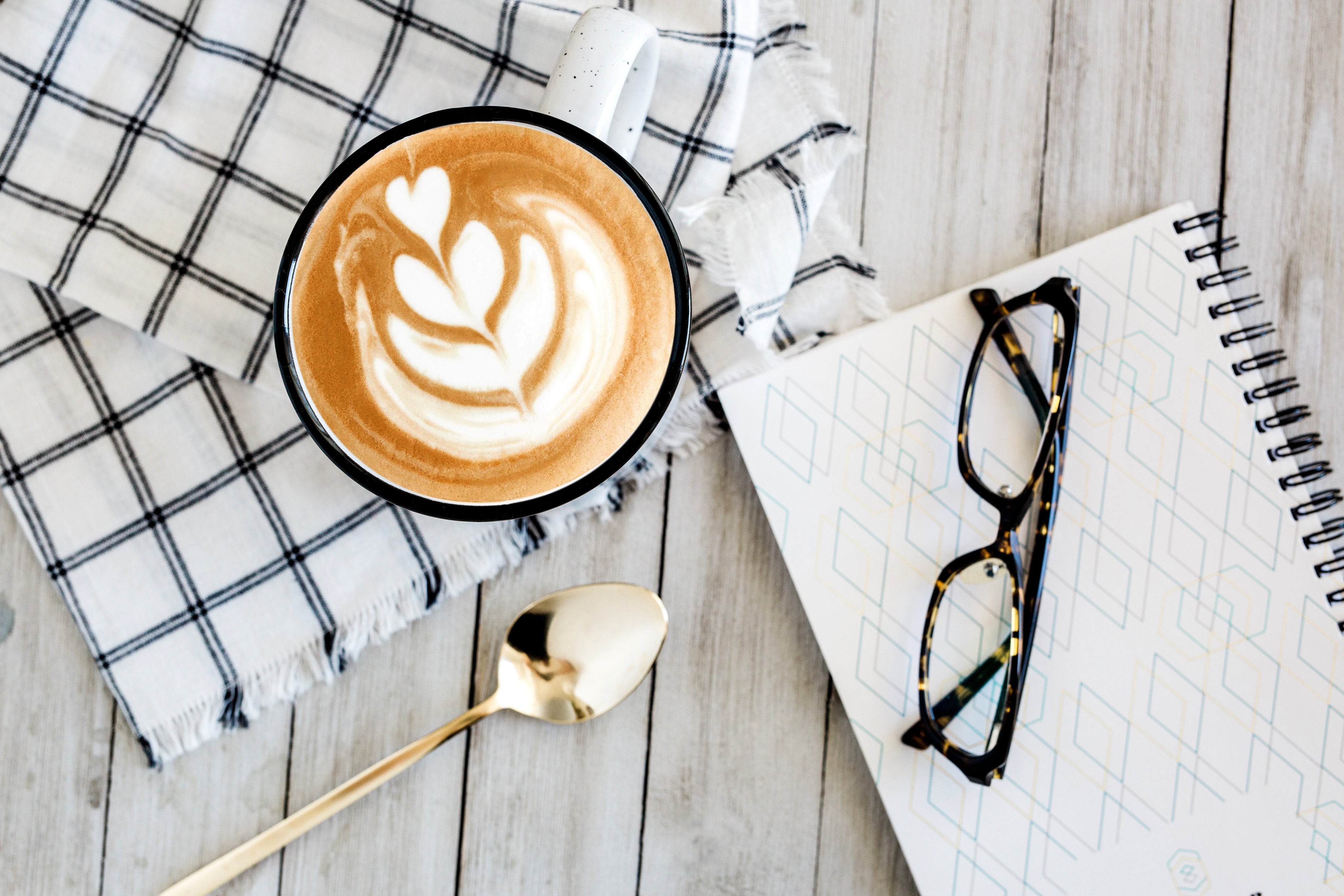


Great coffee at home.
Ratios, grind size, water temperature and brew times for pour over, French press, drip, cold brew and AeroPress.
Simple guidance, real results. Brew with confidence and bring out the best in every cup.
Coffee to water ratios at a glance
Use these as starting points, then adjust to your taste. Always start with fresh, filtered water and coffee you have ground yourself.
| Attribute | Pour Over | French Press | Drip | Cold Brew | AeroPress |
|---|---|---|---|---|---|
| Coffee : water | 1:16 | 1:15 | About 1:17 | 1:5 concentrate | Set by the #4 mark |
| Starting point | 30 g : 480 mL | 60 g : 900 mL | 60 g : 1 L | 100 g : 500 mL | 17 g · fill to #4 mark |
| Grind size | Medium like kosher salt | Coarse like breadcrumbs | Medium like kosher salt | Coarse like rock salt | Medium-fine between drip and espresso |
| Water temperature | 195–205°F | 195–205°F | 195–205°F | Cold, steeped in the fridge | 185°F (175°F for Guatemala) |
| Brew time | 3:00 to 3:30 | 4:00 | About 5 min, set by your machine | 12 to 18 hours | About 1:30 |
| Makes | About 14 oz | About 26 oz | About 28 oz, varies by machine | About 30 oz once diluted | About 7 oz |
- Coffee : water
- 1:16
- Starting point
- 30 g : 480 mL
- Grind size
- Medium
like kosher salt - Water temperature
- 195–205°F
- Brew time
- 3:00 to 3:30
- Makes
- About 14 oz
- Coffee : water
- 1:15
- Starting point
- 60 g : 900 mL
- Grind size
- Coarse
like breadcrumbs - Water temperature
- 195–205°F
- Brew time
- 4:00
- Makes
- About 26 oz
- Coffee : water
- About 1:17
- Starting point
- 60 g : 1 L
- Grind size
- Medium
like kosher salt - Water temperature
- 195–205°F
- Brew time
- About 5 min, set by your machine
- Makes
- About 28 oz, varies by machine
- Coffee : water
- 1:5 concentrate
- Starting point
- 100 g : 500 mL
- Grind size
- Coarse
like rock salt - Water temperature
- Cold, steeped in the fridge
- Brew time
- 12 to 18 hours
- Makes
- About 30 oz once diluted
- Coffee : water
- Set by the #4 mark
- Starting point
- 17 g · fill to #4 mark
- Grind size
- Medium-fine
between drip and espresso - Water temperature
- 185°F (175°F for Guatemala)
- Brew time
- About 1:30
- Makes
- About 7 oz
Every ratio on this page is by weight. Weighing your coffee and your water is the easiest way to make the same cup twice.
Cold brew is a concentrate. Mix 1 part concentrate to 2 parts water or milk before serving, which lands at about 1:15 in the cup.
AeroPress is measured differently, and brews cooler on purpose. AeroPress specify a coffee dose and a fill line on the chamber rather than a water volume, so we give you their numbers instead of inventing a ratio.
Small details.
Big difference.
Master these four and every method on this page gets easier.
Everything else is adjustment. Weigh your coffee and your water and you will make the same cup twice. Most brewing sits between 1 part coffee to 15 parts water and 1 to 17. Go lower for a stronger cup, higher for a lighter one.
Grind is the biggest single thing you control. The longer the water sits with the coffee, and the coarser the filter, the coarser the grind should be. A burr grinder gives an even grind where a blade grinder chops, and that evenness is what makes these numbers repeatable.
A brewed cup is about 98% water, so start with filtered water you would happily drink on its own. For most methods, aim for 195 to 205F. A kettle left to stand for about thirty seconds after boiling lands right in that range. Getting close matters more than getting it exact, and AeroPress is the deliberate exception on this page.
We roast to order and ship whole bean for a reason. Grind just before you brew, keep the bag sealed somewhere cool and dark, and try to finish it within about two to three weeks of opening. Ground coffee goes flat faster, usually inside a couple of weeks.
HOW TO STORE COFFEE →Pour Over

Overview
Clean, bright and precise. Pour over gives you the most control of any method and shows off delicate aromatics, which is why it suits our Ethiopian and Kenyan coffees.
Equipment
- Pour over dripper (V60, Kalita or Chemex)
- Paper filter
- Kettle, ideally gooseneck
- Scale
- Timer
- Carafe or mug
How to brew
- Rinse the paper filter with hot water and discard the rinse. This warms the dripper and takes the paper taste away.
- Add 30 g of medium-ground coffee and level the bed.
- Pour 60 g of water, twice the weight of the coffee. Swirl gently and wait 30 to 45 seconds for the bloom.
- Pour the rest in slow circles, keeping the water level steady, until you reach 480 g.
- Let it draw down. Total time should land between 3:00 and 3:30.
- Swirl the carafe once and serve.
Dial it in
Running long or tasting bitter, grind coarser. Running fast or tasting thin, grind finer. Change one thing at a time.
Starting point
- Coffee : water
- 1:16
- Starting point
- 30 g : 480 mL
- Grind size
- Medium
- Water temperature
- 195–205°F
- Brew time
- 3:00 to 3:30
- Makes
- About 14 oz
A natural match

Bright, floral and vibrant, and the roast is set to keep it that way.
Any Twiga coffee brews well this way. This is simply the one we would reach for.
Chemex, V60 and Kalita
V60 and Kalita style brewers
- Coffee : water
- 1:16
- Starting point
- 30 g : 480 mL
- Grind size
- Medium
- Water temperature
- 195–205°F
- Brew time
- 3:00 to 3:30
Chemex
- Coffee : water
- 1:16
- Starting point
- 50 g : 800 mL
- Grind size
- Medium-coarse
- Water temperature
- 195–205°F
- Brew time
- 4:00 to 5:00
A V60 or Kalita takes the main pour over recipe above as it stands. A Chemex uses a thicker filter and brews a larger batch, so it generally wants a slightly coarser grind and a little longer to draw down. Both of these are our own house starting recipes rather than manufacturer specifications. Adjust either to taste.
French Press

Overview
Full bodied and forgiving. The metal filter lets the coffee's natural oils through, which gives a heavier, rounder cup and makes this the easiest method to get right without special equipment.
Equipment
- French press (8 cup)
- Scale
- Kettle
- Timer
- Wooden or plastic spoon
How to brew
- Add 60 g of coarse-ground coffee to the warmed press.
- Pour all 900 g of water over the grounds.
- After about a minute a crust will form on top. Stir it gently with a wooden or plastic spoon to break it up, then skim off the foam.
- Fit the lid without plunging and steep for three more minutes.
- Press the plunger down slowly and steadily.
- Decant straight away so it does not keep brewing in the pot.
Dial it in
Gritty or muddy usually means the grind was too fine, or that the foam was not skimmed before plunging. Press slowly. Thin and weak is a dose problem, so add coffee rather than time.
Starting point
- Coffee : water
- 1:15
- Starting point
- 60 g : 900 mL
- Grind size
- Coarse
- Water temperature
- 195–205°F
- Brew time
- 4:00
- Makes
- About 26 oz
A natural match

Rounded and easy drinking, with caramel sweetness that full immersion brings forward.
Any Twiga coffee brews well this way. This is simply the one we would reach for.
Drip

Overview
The everyday method, and the one most of us actually use. A drip machine controls the time and the temperature for you, so the two things left in your hands are the grind and how much coffee you measure. Those two are what separate a good pot from a dull one.
Equipment
- Drip coffee maker
- Burr grinder
- Scale
- Filtered water
- Paper or reusable filter
How to brew
- Weigh 60 g of coffee and grind it medium, about the texture of kosher salt.
- Fill the reservoir with 1 litre of fresh, filtered water.
- Add the grounds to the filter and level the bed so the water passes through evenly.
- Brew. Most machines take about five minutes, and that timing is set by the machine rather than by you.
- Decant into a thermal carafe if you are not drinking it straight away.
Dial it in
If your machine finishes in well under five minutes it is probably running fast or cool, and grinding a little finer will help. Coffee left sitting on a hot plate keeps cooking and loses its aroma, so decant it if you are not drinking it straight away.
Starting point
- Coffee : water
- About 1:17
- Starting point
- 60 g : 1 L
- Grind size
- Medium
- Water temperature
- 195–205°F
- Brew time
- About 5 min, set by your machine
- Makes
- About 28 oz, varies by machine
A natural match

A good everyday coffee, and a good one if you find most coffee too strong.
Any Twiga coffee brews well this way. This is simply the one we would reach for.
Cold Brew

Overview
Smooth, sweet and low in acidity, made with time instead of heat. This recipe makes a concentrate, so you dilute it before you drink it. Brew a batch at the weekend and you have cold coffee ready all week, and a 12 oz Twiga bag makes about three batches.
Equipment
- Large jar or pitcher
- Burr grinder
- Scale
- Fine mesh strainer or paper filter
- Bottle for storage
How to brew
- Grind 100 g of coffee coarse, about the texture of rock salt.
- Combine with 500 mL of cold, filtered water in a jar and stir until every ground is wet.
- Cover and leave it in the fridge for 12 to 18 hours. Sixteen is our starting point. Room temperature works too and is a little faster, but the fridge is what we recommend.
- Strain through a fine mesh, then again through a paper filter if you want it clearer.
- Bottle the concentrate and keep it refrigerated. It is good for about a week.
- To serve, mix 1 part concentrate with 2 parts water or milk, and pour over ice.
Dial it in
Too strong is easily fixed in the glass, so dilute before you shorten the steep. Harsh or woody usually points to a grind that was too fine, though a very long steep at room temperature will do it too.
Starting point
- Coffee : water
- 1:5 concentrate
- Starting point
- 100 g : 500 mL
- Grind size
- Coarse
- Water temperature
- Cold, steeped in the fridge
- Brew time
- 12 to 18 hours
- Makes
- About 30 oz once diluted
A natural match

Dark and chocolatey, and the richest concentrate in our range.
Any Twiga coffee brews well this way. This is simply the one we would reach for.
AeroPress

Overview
Fast, clean and almost impossible to ruin. The paper filter and short contact time give a bright, concentrated cup with none of the sediment of a press, which makes it a good match for our sharper coffees.
Equipment
- AeroPress and filters
- Burr grinder
- Scale
- Kettle
- Timer
- Sturdy mug
How to brew
- Put a filter in the cap, rinse it with hot water and fit the cap to the chamber.
- Stand the chamber on your mug, add 17 g of medium-fine coffee, and shake to level the bed.
- Pour water slowly up to the #4 mark.
- Fit the plunger. Wait 30 seconds if you ground the beans just now, or 60 seconds if the coffee was already ground.
- Press down with gentle, constant pressure. Do not push hard.
- Stop when the hissing has begun and ended.
Dial it in
Pressing harder does not make it stronger. Strength comes from the ratio. AeroPress recommend cooler water than the other methods on this page, and we follow them: 185°F for our medium roasts, 175°F for the Guatemala.
Starting point
- Coffee : water
- Set by the #4 mark
- Starting point
- 17 g · fill to #4 mark
- Grind size
- Medium-fine
- Water temperature
- 185°F (175°F for Guatemala)
- Brew time
- About 1:30
- Makes
- About 7 oz
A natural match

Sharp lime acidity that a short, concentrated brew keeps intact.
Any Twiga coffee brews well this way. This is simply the one we would reach for.
Go deeper
How to store your beans, and the five mistakes that flatten them fastest.
Read the guide →They are not the same drink. What changes, and which one to make.
Read the guide →Why our Ethiopian coffees reward a lighter hand, and how to get the most from them.
Read the guide →Great brewing starts with great coffee.
Single origin, roasted to order in California and shipped whole bean.


We are here to help.
Browse the answers below or reach out any time.
Answers to the questions we are asked most about brewing.