
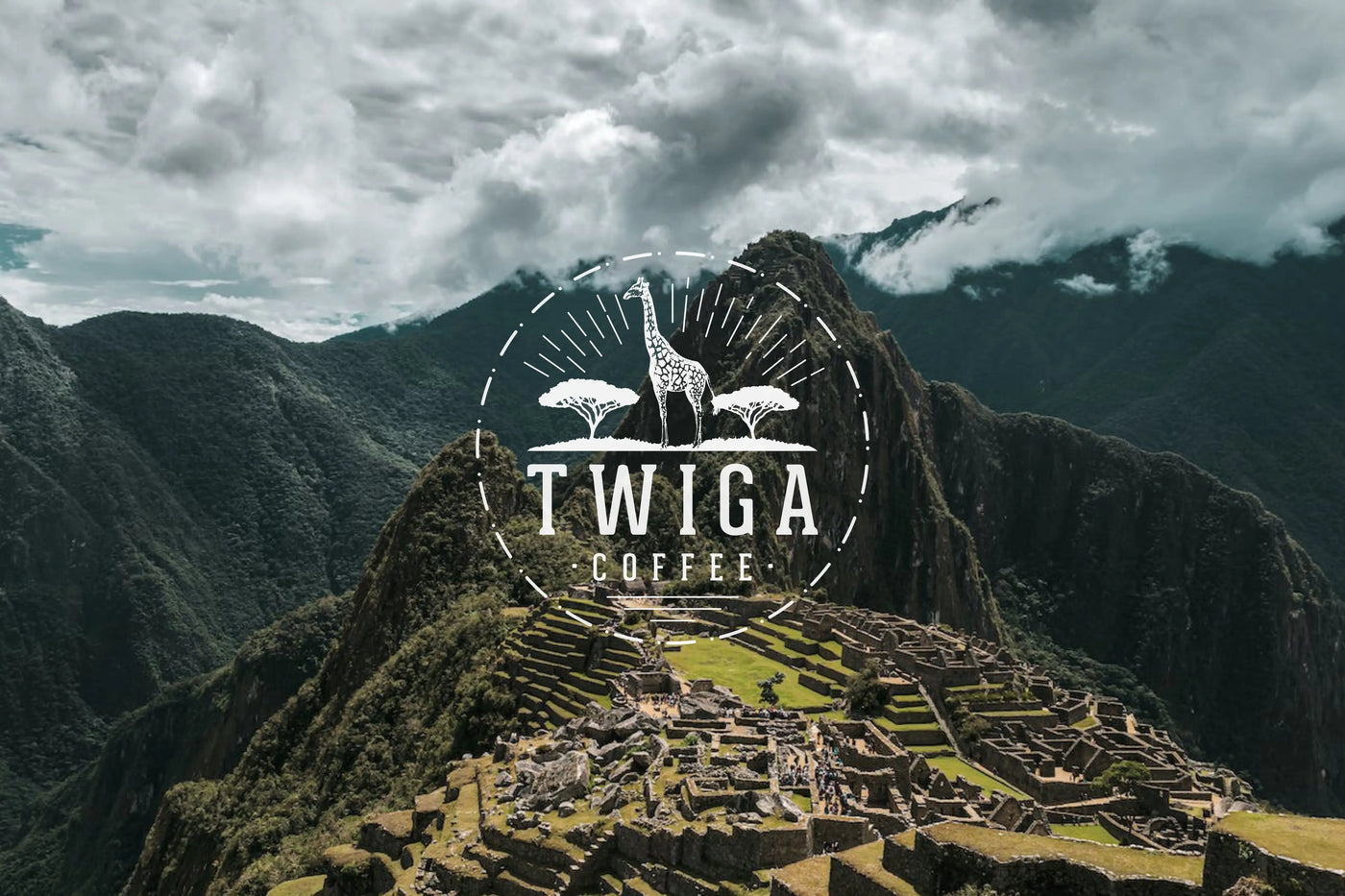
Peruvian coffee, with its rich history and unique flavor profile, has been making waves in the coffee industry. As we delve into the origin, processing methods, and distinctive qualities of Peruvian coffee, we invite you to explore the enchanting world of this South American gem, seamlessly integrated into Twiga Coffee's collection.
History of Peruvian Coffee
Peru's coffee history dates back to the 18th century when coffee plants were introduced by Spanish colonists. However, it wasn't until the 20th century that coffee production gained momentum. In recent years, Peru has emerged as a significant player in the specialty coffee scene, with a focus on organic and Fairtrade practices.
Present Day Trends
Peruvian coffee is experiencing a renaissance, capturing the attention of coffee connoisseurs globally. The country's diverse microclimates, ranging from coastal regions to high-altitude mountains, contribute to the nuanced flavors found in Peruvian beans. As consumers increasingly seek unique and sustainable coffee options, Peru is stepping into the spotlight.
Processing Methods
Peruvian coffee is typically grown in shade, promoting slow and even ripening. The beans are meticulously handpicked and processed using the washed method. This method involves depulping the cherries, fermenting the beans, and thoroughly washing them to remove any residual pulp. The result is a clean, vibrant cup that highlights the coffee's intrinsic flavors.
Flavor Notes of Peruvian Coffee
At Twiga Coffee, our Fairtrade Organic Peru Coffee boasts a distinctive flavor profile. With each sip, you'll encounter the delightful notes of brown sugar, imparting a subtle sweetness, complemented by hints of pear for a fruity complexity. The finish brings a touch of sage, creating a well-rounded and satisfying experience.
Sustainability Steeped in Every Sip
When you choose Twiga Coffee's Fairtrade Organic Peru Coffee, you're not just indulging in a delightful cup; you're contributing to sustainability. We are committed to ethical sourcing and sustainable farming practices, ensuring that each coffee bean is produced with care for the environment and the communities involved in the process.
A Special Brew by Twiga Coffee
Our Fairtrade Organic Peru Coffee is a testament to the dedication of Peruvian coffee farmers and our commitment to providing you with a unique and sustainable coffee experience. We invite you to savor the essence of Peru in each cup, knowing that your choice supports both the environment and the livelihoods of the hardworking farmers.
As you embark on this journey through the history, processing methods, and flavors of Peruvian coffee, Twiga Coffee is proud to offer you a taste of excellence with our Fairtrade Organic Peru Coffee. Discover the richness of Peruvian coffee culture, one sip at a time.
Explore the allure of Peruvian coffee with Twiga Coffee's Fairtrade Organic Peru Coffee.