

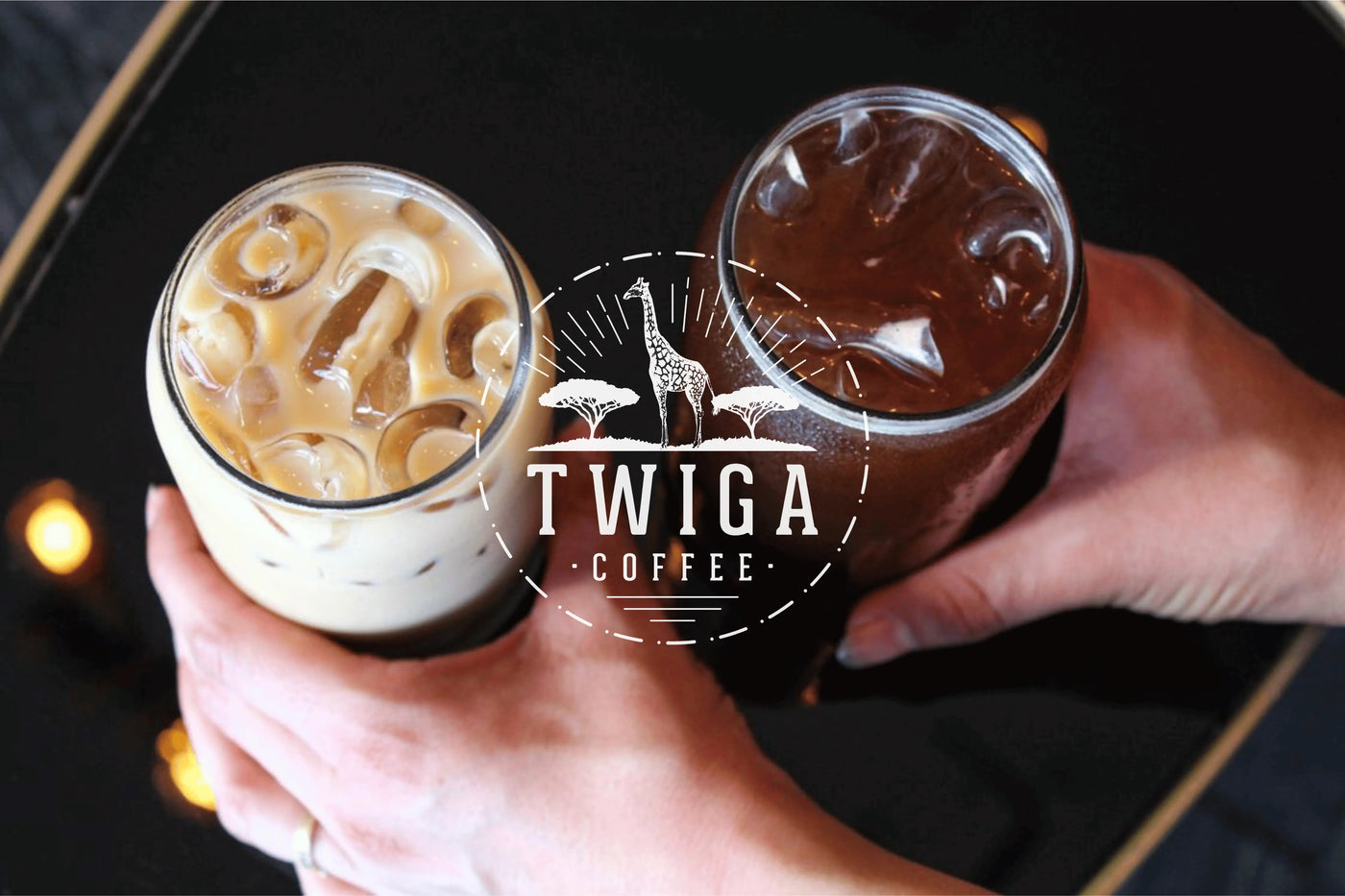
As temperatures rise, coffee lovers often find themselves choosing between two popular chilled beverages: cold brew and iced coffee. While they may look similar in your glass, these two drinks are surprisingly different in how they are made, how they taste, and even how much caffeine they contain.
If you have ever wondered whether cold brew or iced coffee is right for you, this guide breaks down everything you need to know.
What Is Iced Coffee?
Iced coffee is exactly what it sounds like: coffee that is brewed hot and then cooled before being served over ice.
Most iced coffee starts as a traditional hot brew made using methods such as:
- Drip coffee makers
- Pour-over brewing
- French press
- AeroPress
Once brewed, the coffee is chilled or poured directly over ice.
Characteristics of Iced Coffee
- Bright and vibrant flavor
- More noticeable acidity
- Quick to prepare
- Retains many of the flavor notes present in hot coffee
- Refreshing and crisp
Because iced coffee is brewed with hot water, it extracts acids and aromatic compounds more quickly, resulting in a lively and complex flavor profile.
What Is Cold Brew?
Cold brew is made by steeping coffee grounds in cold or room-temperature water for an extended period, typically between 12 and 24 hours.
Unlike iced coffee, no heat is used during the brewing process.
After steeping, the grounds are filtered out, leaving behind a concentrated coffee that can be served over ice or diluted with water or milk.
Characteristics of Cold Brew
- Smooth and mellow flavor
- Lower perceived acidity
- Naturally sweet taste
- Full-bodied mouthfeel
- Less bitterness
The slow extraction process produces a very different flavor experience compared to traditional hot brewing methods.
Cold Brew vs Iced Coffee: Brewing Method
The biggest difference between these drinks lies in how they are prepared.
| Feature | Iced Coffee | Cold Brew |
|---|---|---|
| Brewing Water | Hot | Cold |
| Brew Time | 3–10 minutes | 12–24 hours |
| Acidity | Higher | Lower |
| Flavor | Bright and crisp | Smooth and sweet |
| Preparation Speed | Fast | Slow |
| Serving Style | Chilled over ice | Served over ice or diluted |
While iced coffee can be made in minutes, cold brew requires advance planning due to its long steeping time.
Which Has More Caffeine?
Many people assume cold brew always contains more caffeine.
The truth is that it depends on how it is prepared.
Cold brew is often brewed as a concentrate using a higher coffee-to-water ratio. As a result, some cold brew beverages can contain more caffeine per serving than iced coffee.
However, once diluted, the caffeine levels may be similar.
In general:
- Cold brew concentrate tends to have higher caffeine content
- Standard iced coffee typically contains moderate caffeine levels
- Actual caffeine depends on the brewing recipe and serving size
If you're sensitive to caffeine, it's always a good idea to check how your drink was prepared.
Flavor Differences
Iced Coffee Flavor Profile
Iced coffee highlights many of the characteristics coffee enthusiasts love:
- Floral notes
- Fruit-forward flavors
- Bright acidity
- Crisp finish
Single-origin coffees often shine when prepared as iced coffee because their unique tasting notes remain prominent.
Cold Brew Flavor Profile
Cold brew tends to emphasize:
- Chocolate notes
- Caramel sweetness
- Nutty characteristics
- Smooth body
The lower acidity and reduced bitterness create an approachable coffee experience that many casual coffee drinkers enjoy.
Which Coffee Beans Are Best for Iced Coffee?
The best beans for iced coffee are those with vibrant flavors that remain noticeable when chilled.
At Twiga Coffee, some excellent options include:
Ethiopia Yirgacheffe
Known for its bright citrus notes, floral aromas, and tea-like body, Ethiopian coffee creates a refreshing iced coffee with remarkable complexity.
Rwanda
Rwandan coffee often offers balanced sweetness, subtle fruit notes, and a smooth finish, making it ideal for iced brewing methods.
Kenya
Kenyan coffees are famous for their lively acidity and berry-like flavors. When served over ice, these characteristics create an incredibly refreshing cup.
Which Coffee Beans Are Best for Cold Brew?
Cold brew tends to perform exceptionally well with coffees that feature:
- Chocolate notes
- Caramel sweetness
- Full body
Medium and darker roasts are popular choices because they produce a rich, smooth cold brew concentrate.
However, adventurous coffee drinkers may enjoy experimenting with lighter-roasted African coffees for a unique cold brew experience.
How to Make Iced Coffee at Home
Making iced coffee is simple.
Ingredients
- Freshly ground coffee
- Filtered water
- Ice
Instructions
- Brew coffee slightly stronger than normal.
- Allow it to cool for several minutes.
- Fill a glass with ice.
- Pour the coffee over the ice.
- Add milk or sweetener if desired.
For the best results, use freshly roasted coffee and filtered water.
How to Make Cold Brew at Home
Ingredients
- Coarsely ground coffee
- Cold filtered water
Instructions
- Combine coffee and water in a large container.
- Stir gently to ensure all grounds are saturated.
- Cover and steep for 12–24 hours.
- Filter through a fine mesh filter or paper filter.
- Serve over ice and dilute to taste.
The result is a smooth and refreshing beverage that can be stored in the refrigerator for several days.
Is Cold Brew Healthier Than Iced Coffee?
Neither beverage is inherently healthier than the other.
Both contain:
- Antioxidants
- Minimal calories when consumed black
- Naturally occurring caffeine
Cold brew may be easier on sensitive stomachs because of its lower perceived acidity, but both can be part of a healthy lifestyle when consumed in moderation.
Which One Should You Choose?
Choose iced coffee if you enjoy:
- Bright flavors
- Fruity tasting notes
- Quick preparation
- Traditional coffee characteristics
Choose cold brew if you prefer:
- Smoothness
- Lower acidity
- Natural sweetness
- Rich body
Many coffee enthusiasts enjoy both depending on the season, mood, and coffee beans being used.
Final Thoughts
While cold brew and iced coffee are both refreshing ways to enjoy coffee during warmer months, they offer distinctly different experiences.
Iced coffee showcases the vibrant flavors and complexity of the coffee bean, while cold brew delivers a smooth, mellow cup with natural sweetness and low bitterness.
Whether you're brewing a bright Ethiopian coffee over ice or preparing a rich cold brew concentrate for the week ahead, the key to a great cup starts with high-quality, freshly roasted beans.
At Twiga Coffee, we source exceptional African coffees that shine in both brewing methods, helping you enjoy a delicious cup no matter how you choose to brew.
Frequently Asked Questions
Is cold brew stronger than iced coffee?
Cold brew is often brewed as a concentrate and may contain more caffeine per serving, but the exact strength depends on the brewing recipe.
Does cold brew taste less acidic?
Yes. Cold brew is generally perceived as less acidic and smoother than traditional iced coffee.
Can I make iced coffee with any coffee beans?
Yes, but bright, high-quality single-origin coffees often produce the most flavorful iced coffee.
How long does cold brew last in the refrigerator?
Cold brew concentrate can typically be stored in the refrigerator for up to one week.
What is the best coffee for iced coffee?
Light to medium-roasted coffees with fruit, citrus, and floral notes - such as Ethiopian, Kenyan, and Rwandan coffees are excellent choices for iced coffee.